
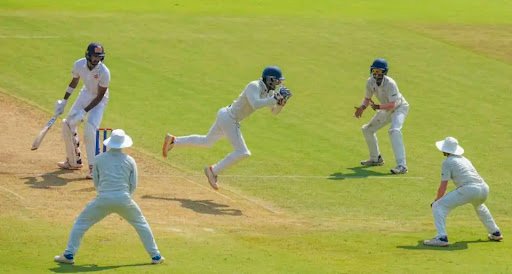
Cricket is a game rich in tradition, strategy, and detailed laws that govern every aspect of play. From international Test matches to local street cricket, rules exist to ensure fairness, sportsmanship, and balance between bat and ball. However, because cricket laws are complex and constantly interpreted by umpires, players often commit rule violations, sometimes intentionally and sometimes unknowingly. These violations can lead to penalties such as no-balls, free hits, penalty runs, warnings, suspensions, or even match bans.
Understanding common cricket rule violations and penalties is essential for players, coaches, umpires, and fans who want a deeper understanding of the game. In this detailed guide, we will explain the most frequent cricket rule violations, why they happen, and what penalties apply. This article naturally includes important keywords such as cricket rules explained, cricket law violations, penalties in cricket, common cricket mistakes, no ball rules, cricket fouls, and cricket match regulations, all explained clearly and in depth.
Importance of Rules and Penalties in Cricket
Cricket rules, officially known as the Laws of Cricket, are maintained by the Marylebone Cricket Club and followed worldwide. These laws define how the game is played, how players should behave, and how umpires must make decisions. Penalties exist not only to punish wrongdoing but also to discourage unfair play, protect player safety, and maintain the spirit of cricket.
Violations can occur in batting, bowling, fielding, and even team conduct. Some penalties affect the score immediately, while others impact player eligibility or future matches. Knowing these rules helps players avoid costly mistakes and helps fans better understand umpiring decisions.
Common Bowling Rule Violations in Cricket
Bowling is one of the most regulated aspects of cricket, and many rule violations occur during bowling actions.
No Ball Violations
A no ball is one of the most common penalties in cricket. It occurs when the bowler violates certain delivery rules. Overstepping the front crease with the front foot is the most frequent cause of a no ball in modern cricket, especially with the use of technology to monitor foot placement. Other no ball violations include throwing the ball instead of bowling with a straight arm, delivering the ball above waist height for full tosses, or bowling dangerous short-pitched deliveries beyond the allowed limit.
The penalty for a no ball includes one extra run added to the batting team’s score, and the delivery must be rebowled. In limited-overs cricket, a no ball also results in a free hit, where the batter cannot be dismissed except by run-out.
Illegal Bowling Action
An illegal bowling action, commonly referred to as chucking, occurs when a bowler bends the elbow beyond the permitted limit while delivering the ball. This violation is closely monitored in professional cricket, as it provides an unfair advantage by increasing speed and spin.
If a bowler is suspected of an illegal action, they may be reported by umpires and required to undergo biomechanical testing. Penalties can include suspension from bowling in matches until the action is corrected.
Dangerous Bowling
Dangerous bowling includes excessive bouncers aimed at the batter or full tosses above waist height. These deliveries pose a safety risk and are strictly regulated. Umpires issue warnings for the first offense and penalize repeated violations with no balls, suspensions from bowling, or removal from the attack.
Common Batting Rule Violations in Cricket
Batting violations often occur due to poor awareness, pressure situations, or misunderstanding of the laws.
Hit the Ball Twice
A batter is not allowed to hit the ball twice unless it is done solely to protect the wicket. If the batter deliberately strikes the ball a second time to score runs or prevent a catch, it is considered a violation.
The penalty for hitting the ball twice is dismissal, and the batter is given out. This dismissal is rare but highlights the importance of knowing batting laws.
Obstructing the Field
Obstructing the field occurs when a batter deliberately interferes with a fielder attempting to make a play. This can include using the bat or body to block a throw or changing running direction intentionally to cause obstruction.
This violation results in the batter being given out. Because intent plays a major role, umpires carefully judge such situations before making a decision.
Handled the Ball
Under updated cricket laws, handling the ball is now considered a form of obstructing the field. A batter may only touch the ball with a hand not holding the bat if given permission by the fielding side.
Unauthorized handling results in dismissal and emphasizes the need for clear communication and discipline at the crease.
Common Fielding and Wicketkeeping Violations
Fielding rules are designed to prevent unfair advantages and ensure player safety.
Illegal Fielding Positions
Cricket laws restrict the number of fielders allowed behind square on the leg side. If a team places too many fielders in restricted areas, it results in a no ball.
In limited-overs cricket, additional fielding restrictions apply during powerplays, and violations can lead to penalties such as no balls or free hits.
Tampering with the Ball
Ball tampering is one of the most serious violations in cricket. It involves illegally altering the condition of the ball to gain extra swing or movement. Actions such as scratching the ball, applying substances, or using foreign objects are strictly prohibited.
Penalties for ball tampering include penalty runs awarded to the batting team, warnings, player suspensions, fines, and even bans from international cricket. This violation significantly damages the spirit of the game.
Wicketkeeper Movement Violations
The wicketkeeper must remain behind the stumps until the ball is delivered. Moving too early can result in a no ball. This rule ensures fairness for the batter and prevents undue pressure.
Common Running and Dismissal-Related Violations
Running between the wickets and dismissal rules often lead to confusion and mistakes.
Running on the Pitch
Batters are not allowed to run on the protected area of the pitch, especially in Test cricket. Repeated running on the pitch can damage the surface and affect play.
Umpires issue warnings for the first offense, and repeated violations result in penalty runs awarded to the opposing team.
Timed Out Dismissal
A new batter must be ready to face within a specific time after the fall of a wicket. Failure to do so results in a timed out dismissal, which, although rare, is a legitimate rule violation.
Mankading or Run Out at the Non-Striker’s End
If the non-striker leaves the crease before the bowler delivers the ball, the bowler is allowed to run them out. This is often controversial but is legal under cricket laws.
The penalty is dismissal of the non-striker, reinforcing the importance of staying within the crease until the ball is released.
Code of Conduct Violations and Player Behavior
Cricket places strong emphasis on sportsmanship, and player behavior is strictly regulated.
Dissent and Abuse
Arguing with umpires, showing dissent, or using abusive language violates the code of conduct. Penalties include warnings, fines, suspension points, and match bans depending on severity.
Excessive Appealing
While appealing is part of the game, excessive or aggressive appealing is considered misconduct. Umpires can penalize teams for breaching the spirit of cricket.
Slow Over Rate
Teams are required to bowl a certain number of overs within a set time. Slow over rates disrupt the game and disadvantage spectators and opponents.
Penalties for slow over rates include fines, suspension of captains, and in limited-overs cricket, fielding restrictions or penalty runs.
Penalty Runs in Cricket Explained
Penalty runs are awarded to the batting team for certain violations, such as ball tampering, dangerous play, or unfair actions by the fielding side. Typically, five penalty runs are added to the batting team’s score, and the ball becomes dead.
These penalties act as a strong deterrent and highlight the seriousness of rule violations.
Role of Umpires in Enforcing Penalties
Umpires are responsible for interpreting cricket laws and enforcing penalties fairly. They monitor player actions, issue warnings, award penalties, and ensure the game is played within the rules. Their decisions are final on the field, emphasizing the importance of respect toward officials.
Why Understanding Cricket Rule Violations Matters
Knowing common cricket rule violations and penalties helps players improve discipline, avoid unnecessary extras, and maintain team advantage. For fans, understanding these rules adds clarity to controversial moments and enhances enjoyment of the game.
Cricket is not just about skill but also about awareness, patience, and respect for the laws. Teams that consistently avoid penalties often perform better and maintain control over matches.
Final Thoughts on Common Cricket Rule Violations and Penalties
Cricket is a beautiful game built on a balance of competition and sportsmanship, supported by a detailed framework of rules and penalties. From no balls and illegal actions to ball tampering and code of conduct breaches, rule violations can significantly impact match outcomes.
By understanding common cricket rule violations and their penalties, players can compete more fairly, umpires can officiate more effectively, and fans can appreciate the game at a deeper level. Mastery of cricket rules is just as important as mastering batting, bowling, or fielding, making rule awareness a key part of cricket knowledge and success.