
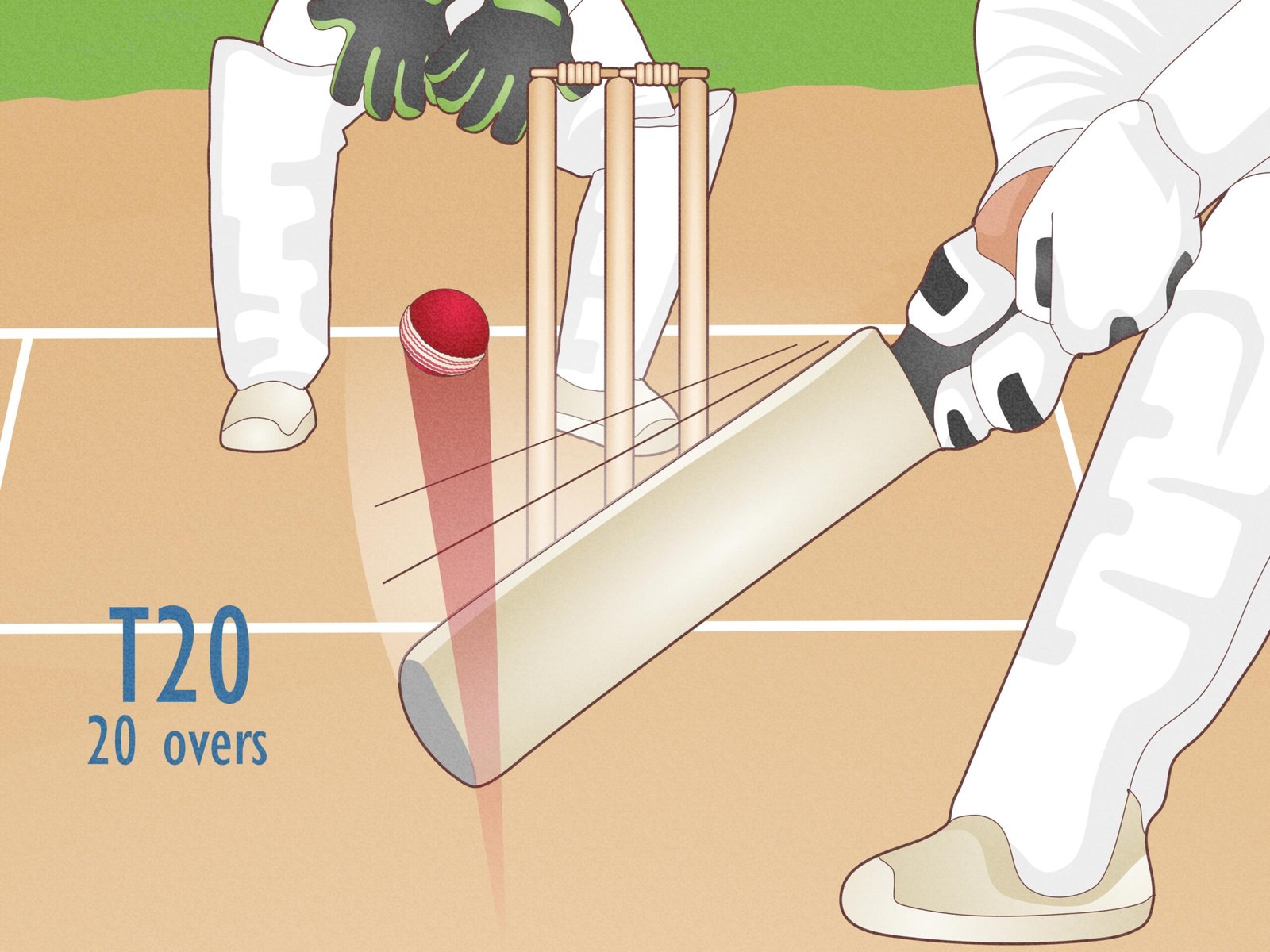
Cricket is one of the most popular sports in the world, followed passionately by millions of fans across different countries. From international matches to local street games, cricket brings excitement, strategy, and teamwork together. For beginners, however, understanding the basic rules of cricket can feel confusing at first. Terms like batting, bowling, fielding, overs, runs, and wickets may seem complex, but once explained clearly, the game becomes easy to understand and enjoyable to watch or play. This detailed beginner’s guide explains the basic rules of cricket, focusing on batting, bowling, and fielding, while also covering essential cricket rules, gameplay structure, and commonly used keywords to help new learners build a strong foundation.
Cricket is played between two teams, each consisting of eleven players. The main objective of the game is to score more runs than the opposing team. One team bats while the other team bowls and fields. The batting team tries to score runs by hitting the ball and running between the wickets, while the bowling and fielding team tries to stop runs and dismiss batters. A cricket match is divided into innings, and depending on the format, each team may bat once or twice.
Understanding the Cricket Field and Equipment
Before learning the rules of batting, bowling, and fielding, it is important to understand the cricket field and equipment. The cricket field is usually oval-shaped with a rectangular pitch in the center. The pitch is 22 yards long and has wickets at both ends. Each wicket consists of three vertical stumps and two small horizontal bails placed on top.
The main equipment used in cricket includes a cricket bat, a cricket ball, protective gear like pads, gloves, helmets, and boundary markers placed around the edge of the field. The batting team uses the bat to hit the ball, while the bowling team uses the ball to try to get batters out.
Basic Rules of Batting in Cricket
Batting is one of the most exciting aspects of cricket. The primary goal of batting is to score runs and protect your wicket. Two batters are present on the field at a time, one at each end of the pitch. One batter faces the bowler, while the other stands at the non-striker’s end.
Runs are scored in several ways. The most common way is by hitting the ball and running between the wickets. When both batters run from one end of the pitch to the other and safely reach their ground, one run is scored. Multiple runs can be scored if the batters run back and forth before the fielding team retrieves the ball.
Boundaries are another important way to score runs. If the ball crosses the boundary after touching the ground, the batting team scores four runs. If the ball crosses the boundary without touching the ground, it results in six runs. Boundaries play a crucial role in increasing the batting team’s score quickly.
Batters must follow certain rules while batting. A batter can be dismissed in several ways, including being bowled, caught, run out, stumped, leg before wicket, and hit wicket. Being bowled means the ball hits the stumps and dislodges the bails. A catch occurs when a fielder catches the ball before it touches the ground. A run out happens when the fielding team breaks the wicket while the batter is outside the crease attempting a run.
Leg before wicket, commonly known as LBW, occurs when the ball hits the batter’s leg and would have gone on to hit the stumps, provided certain conditions are met. Stumping occurs when the wicketkeeper removes the bails while the batter is out of the crease and not attempting a run. Understanding these dismissal rules is essential for beginner batters to avoid losing their wicket unnecessarily.
Batters must also stay within the crease while facing deliveries. The crease is marked by white lines on the pitch and determines whether a batter is safe or out during run-out and stumping situations. Proper foot placement and awareness of the crease help batters stay safe.
Batting Order and Strike Rotation
The batting order is decided by the team and determines the sequence in which players will bat. Typically, stronger batters bat at the top order, while all-rounders and bowlers bat lower down the order. Strike rotation is an important concept in batting. When batters complete an odd number of runs, they change ends, which means the other batter faces the next delivery. Rotating strike helps disrupt the bowler’s rhythm and allows different batters to face different bowlers.
Basic Rules of Bowling in Cricket
Bowling is the act of delivering the ball towards the batter with the aim of taking wickets and restricting runs. A bowler must deliver the ball with a straight arm, and bending the elbow beyond the allowed limit is considered illegal and called a throw or chuck. Bowlers deliver the ball from one end of the pitch, aiming at the stumps at the opposite end.
An over consists of six legal deliveries bowled by the same bowler. After an over is completed, another bowler bowls from the opposite end. A single bowler cannot bowl two consecutive overs. This rule ensures fairness and variety in bowling attacks.
There are different types of bowlers in cricket, including fast bowlers, medium pace bowlers, and spin bowlers. Fast bowlers rely on speed and bounce, while spin bowlers use finger or wrist action to spin the ball and deceive batters. Regardless of the type, all bowlers must follow basic bowling rules.
Certain deliveries are considered illegal in cricket. A no-ball occurs when the bowler oversteps the popping crease, bowls a full toss above waist height, or uses an illegal bowling action. A no-ball results in one extra run for the batting team and an additional delivery. A wide ball is delivered too far from the batter to hit with a normal cricket shot. Wide balls also result in extra runs and additional deliveries.
Bowling rules also limit how many overs a bowler can bowl in an innings, depending on the match format. This ensures balanced participation among players and prevents overuse of a single bowler.
Wickets and Bowling Dismissals
Taking wickets is the primary objective of the bowling team. A bowler can dismiss a batter by bowling them out, inducing a catch, trapping them leg before wicket, or hitting the wicket during a delivery. Bowlers work closely with fielders to create pressure and force mistakes from batters. Understanding bowling tactics and rules helps beginners appreciate how strategy plays a key role in cricket.
Basic Rules of Fielding in Cricket
Fielding is equally important as batting and bowling. The fielding team aims to stop runs, catch the ball, and dismiss batters. Fielders are positioned strategically around the field based on the bowler’s plan and the batter’s strengths and weaknesses.
Fielders must follow certain rules while fielding. They are not allowed to obstruct batters intentionally. Obstructing the field can result in penalties or dismissal of the batter under specific conditions. Fielders must also throw the ball fairly and avoid dangerous actions.
Catching is a major part of fielding. For a catch to be valid, the fielder must catch the ball cleanly before it touches the ground. Catches can be taken anywhere inside the boundary, including by the wicketkeeper. Boundary catches require the fielder to remain inside the boundary while completing the catch.
Throwing and stopping the ball effectively helps prevent runs. Quick and accurate throws can result in run outs, which are among the most exciting dismissals in cricket. Good fielding skills significantly impact a team’s overall performance.
Role of the Wicketkeeper
The wicketkeeper is a specialized fielder who stands behind the stumps when the batter faces a delivery. The wicketkeeper wears gloves and pads and plays a key role in catching, stumping, and stopping the ball. The wicketkeeper must remain behind the stumps until the ball is delivered and follow specific positioning rules.
Scoring Runs and Extras
Runs in cricket are not scored only by batters. Extras, also known as sundries, add to the team’s total score. Extras include no-balls, wides, byes, leg byes, and penalty runs. Byes are runs scored when the ball passes the batter without touching the bat or body, while leg byes occur when the ball touches the batter’s body and runs are taken, provided there is no LBW infringement.
Match Formats and Overs
Cricket is played in different formats, including Test cricket, One Day Internationals, and T20 cricket. Test matches are played over five days with two innings per team. One Day Internationals are limited to fifty overs per team, while T20 matches consist of twenty overs per team. The basic rules of batting, bowling, and fielding remain the same across formats, with slight variations in playing conditions.
Umpires and Decision Making
Umpires play a vital role in enforcing cricket rules and ensuring fair play. On-field umpires make decisions regarding dismissals, no-balls, wides, and other aspects of the game. Third umpires and technology such as decision review systems assist in close calls. Respecting umpire decisions is an important part of cricket’s spirit.
Spirit of Cricket and Fair Play
Cricket is known for its emphasis on sportsmanship and fair play. Players are expected to respect opponents, umpires, and the rules of the game. Following the spirit of cricket ensures that the game remains enjoyable and competitive at all levels.
Common Beginner Mistakes in Cricket Rules
Beginners often make mistakes such as running on a catch, misunderstanding LBW rules, or not knowing when a ball is dead. Learning the basic cricket rules helps avoid these errors and builds confidence on the field. Practice and observation are the best ways to improve rule awareness.
Importance of Learning Basic Cricket Rules
Understanding the basic rules of cricket, including batting, bowling, and fielding, is essential for anyone new to the game. These rules form the foundation of cricket knowledge and allow players and fans to enjoy matches fully. Without rule awareness, it becomes difficult to follow strategies and appreciate key moments in the game.
Conclusion
Cricket is a game of skill, strategy, and teamwork, and learning its basic rules is the first step toward mastering it. By understanding the rules of batting, bowling, and fielding, beginners can enjoy cricket with greater confidence and clarity. From scoring runs and taking wickets to stopping boundaries and making catches, every aspect of the game is connected through well-defined rules. With practice, patience, and proper knowledge, anyone can develop a strong understanding of cricket and enjoy the sport at any level.