
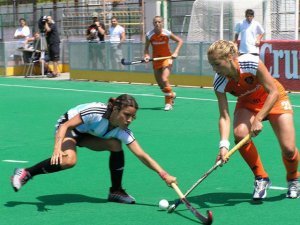
Hockey is one of the fastest and most exciting team sports in the world. Known for its speed, skill, teamwork, and strategy, hockey is played and enjoyed by millions of players and fans globally. Field hockey, in particular, has a rich history and is widely played at school, national, and international levels. For beginners, however, understanding the basic rules of hockey can feel overwhelming. Terms like field positions, gameplay rules, fouls, scoring methods, and match formats may seem complex at first. This detailed beginner’s guide explains the basic rules of hockey, focusing on field positions, gameplay, and scoring, using simple language and essential keywords to help new players and fans understand the game clearly.
Hockey is played between two teams, each consisting of eleven players, including a goalkeeper. The main objective of the game is to score more goals than the opposing team by hitting the ball into the opponent’s goal using a hockey stick. The game emphasizes skill, coordination, stamina, and teamwork, making rule awareness extremely important for fair and enjoyable play.
Understanding the Hockey Field and Equipment
Before learning field positions and gameplay rules, it is important to understand the hockey field and equipment. A standard hockey field is rectangular and made of grass or artificial turf. The field is 100 yards long and 60 yards wide, with clearly marked lines that define playing areas. At each end of the field, there is a goal, which consists of two vertical posts and a horizontal crossbar.
The striking circle, also known as the shooting circle or D, is a semi-circular area in front of each goal. Only goals scored from inside this circle are considered valid. This rule plays a crucial role in scoring and defensive strategies.
The main equipment used in hockey includes a hockey stick, a hard ball, shin guards, mouth guards, and protective gear for the goalkeeper such as pads, helmet, gloves, and kickers. Each player uses a stick with a flat side, and the ball can only be played with that flat side, which is a fundamental hockey rule beginners must remember.
Basic Field Positions in Hockey
Understanding field positions in hockey is essential for both gameplay and team coordination. Each team has eleven players divided into different roles based on their responsibilities. The main field positions in hockey include the goalkeeper, defenders, midfielders, and forwards.
The goalkeeper is the most specialized position in hockey. The goalkeeper’s primary role is to prevent the opposing team from scoring goals. The goalkeeper is the only player allowed to use any part of the body to stop the ball, but only within the shooting circle. Goalkeepers wear heavy protective equipment and must have quick reflexes and strong positional awareness.
Defenders play close to their own goal and focus on stopping attacks, intercepting passes, and clearing the ball away from danger. Common defender positions include fullbacks and center backs. Defenders must be skilled in tackling, positioning, and passing to maintain control under pressure.
Midfielders act as the link between defense and attack. They play across the center of the field and are involved in both offensive and defensive play. Midfielders must have high stamina, strong ball control, and good vision, as they help transition the ball from defenders to forwards.
Forwards are attacking players whose main role is to score goals. They operate mainly in the opponent’s half and inside the shooting circle. Forwards must have excellent stick skills, quick movement, and accurate shooting ability to convert scoring opportunities.
Basic Gameplay Rules of Hockey
Hockey gameplay begins with a center pass at the start of each half and after every goal. The ball is passed backward from the center line to start play. Players must remain in their own half during the initial pass, and opponents must stay a certain distance away until the ball is in play.
A standard hockey match is divided into two halves, usually lasting thirty-five minutes each, with a halftime break. Some competitions use four quarters instead of two halves, especially at international levels. The team with the highest number of goals at the end of the match wins the game.
Players move the ball by passing, dribbling, and hitting it using their hockey sticks. One of the most important hockey rules is that players cannot use their feet or any other body part to control or move the ball intentionally. Accidental contact may be allowed, but deliberate foot use results in a foul.
Another key rule in hockey gameplay is stick handling. Players must keep their sticks below shoulder height, especially when other players are nearby. Raising the stick dangerously can result in penalties due to safety concerns.
Passing and Ball Control Rules
Passing is a fundamental part of hockey gameplay. Players pass the ball to teammates to maintain possession and create scoring opportunities. Accurate passing and good positioning are essential for successful teamwork. Trapping the ball using the stick is allowed, but stopping the ball with the body is not permitted.
Dribbling involves moving the ball while running with it, keeping it under control using small touches with the stick. Beginners often struggle with dribbling rules, especially maintaining control without using their feet. Learning proper dribbling techniques helps players move efficiently and avoid fouls.
Tackling and Defensive Play
Tackling is an important defensive skill in hockey. A legal tackle involves using the stick to take the ball away cleanly from an opponent without making physical contact. Body contact is generally not allowed in hockey, making it a non-contact sport. Any pushing, tripping, or obstruction can result in a foul.
Defensive players must focus on positioning and timing rather than physical force. Intercepting passes, blocking shots, and guiding attackers away from the goal are key defensive strategies. Understanding legal tackling rules helps beginners avoid unnecessary penalties.
Fouls and Penalties in Hockey
Fouls are common in hockey, and understanding them is essential for fair play. Common fouls include obstruction, foot use, stick interference, dangerous play, and body contact. Obstruction occurs when a player blocks an opponent’s movement without attempting to play the ball.
When a foul occurs, the opposing team is awarded a free hit. Free hits are taken from the spot of the foul, and opponents must move a minimum distance away before play resumes. Free hits allow teams to restart play quickly and maintain game flow.
More serious fouls inside the shooting circle result in penalty corners or penalty strokes. A penalty corner is awarded when a defender commits a foul inside the circle or intentionally sends the ball out of play. Penalty corners create major scoring opportunities and involve specialized routines.
A penalty stroke is awarded for severe fouls that prevent a certain goal. During a penalty stroke, the attacker takes a direct shot on goal from a designated spot, facing only the goalkeeper. Penalty strokes often decide close matches and require calm execution.
Basic Scoring Rules in Hockey
Scoring goals is the main objective of hockey. A goal is scored when the ball completely crosses the goal line inside the goalposts and under the crossbar. However, a crucial rule is that the ball must be hit by an attacking player from inside the shooting circle for the goal to count.
Goals scored from outside the circle are not valid, even if the ball enters the goal. This rule emphasizes the importance of attacking play within the circle and strong defensive protection of that area.
Goals can be scored during open play, penalty corners, or penalty strokes. Each goal counts as one point, and there are no extra points or variations in scoring.
Role of Umpires in Hockey
Umpires play a vital role in enforcing hockey rules and ensuring fair play. Usually, two umpires officiate a match, each covering one half of the field. They make decisions regarding fouls, goals, free hits, and penalties.
Players are expected to respect umpire decisions at all times. Arguing or showing dissent can lead to additional penalties. Understanding umpire signals and decisions helps beginners follow the game more effectively.
Substitutions and Player Rotation
Hockey allows rolling substitutions, meaning players can be substituted at any time during the match, except during penalty corners in some competitions. This rule helps maintain high energy levels and allows teams to adjust strategies.
Substituted players can re-enter the game later, making substitutions a key tactical element. Beginners should understand substitution rules to avoid entering or leaving the field incorrectly.
Common Beginner Mistakes in Hockey Rules
Beginners often make mistakes such as using the wrong side of the stick, unintentionally using their feet, or misunderstanding circle rules for scoring. Another common error is committing obstruction by shielding the ball incorrectly. Learning basic hockey rules early helps players avoid penalties and build confidence.
Importance of Teamwork and Position Awareness
Hockey is a team sport that relies heavily on coordination and communication. Each field position has specific responsibilities, and players must work together to maintain structure. Understanding field positions and gameplay rules allows teams to move effectively as a unit.
Match Formats and Variations
Hockey is played in various formats, including outdoor field hockey, indoor hockey, and small-sided games. While the basic rules remain similar, some variations exist in field size, number of players, and match duration. Learning standard field hockey rules provides a strong base for adapting to other formats.
Spirit of Hockey and Fair Play
Hockey emphasizes respect, discipline, and fair play. Players are encouraged to play hard but fair, respect opponents, and follow the rules. The spirit of hockey ensures the game remains enjoyable and safe for everyone involved.
Why Learning Basic Hockey Rules Is Important
Understanding the basic rules of hockey, including field positions, gameplay, and scoring, is essential for beginners who want to enjoy the sport fully. Rule knowledge improves decision-making, reduces fouls, and enhances overall performance. Whether you are a player, coach, or fan, knowing the rules helps you appreciate the strategy and excitement of the game.
Conclusion
Hockey is a fast-paced and skillful sport that becomes even more enjoyable once the basic rules are understood. By learning field positions, gameplay rules, and scoring methods, beginners can build a strong foundation and gain confidence on the field. From understanding how goals are scored to knowing how fouls and penalties work, every rule plays a role in shaping the game. With practice, patience, and proper rule awareness, anyone can enjoy hockey and grow into a knowledgeable and skilled participant in this exciting sport.