
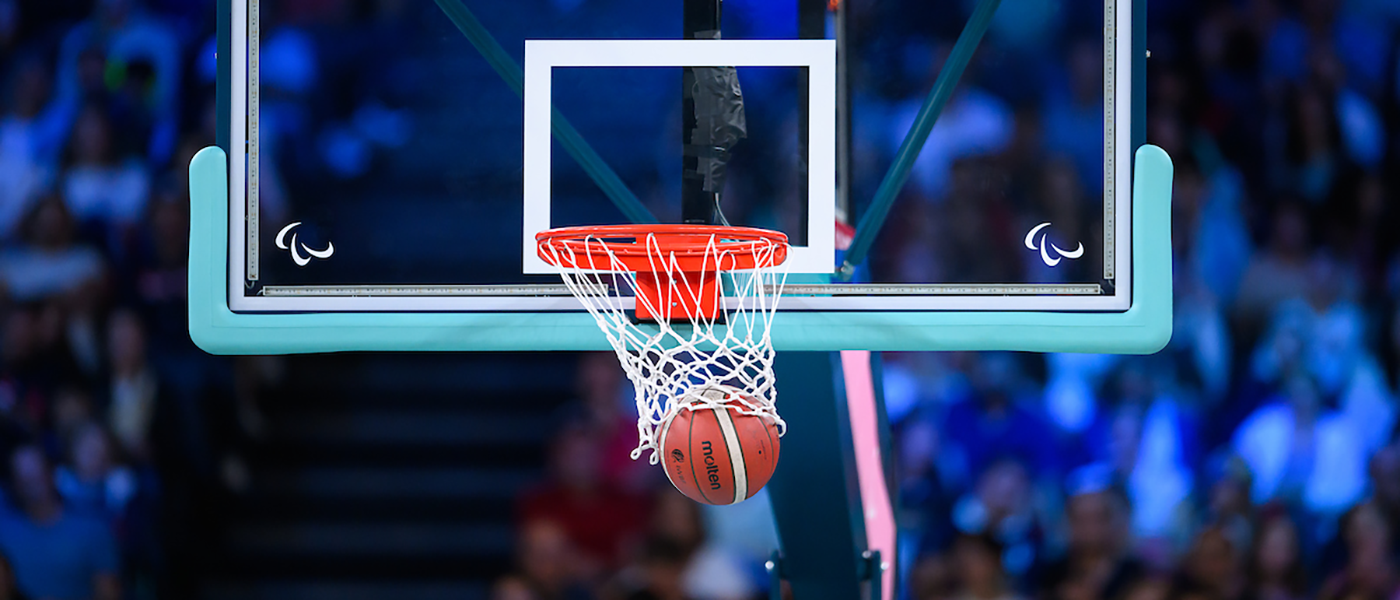
Basketball is one of the most popular sports in the world. It is played in schools, colleges, professional leagues, and on streets and playgrounds across many countries. While basketball looks fast and exciting, many beginners feel confused by its rules, fouls, scoring system, and violations. Understanding basketball rules helps players enjoy the game more and helps viewers follow matches with confidence.
Basketball rules are designed to keep the game fair, competitive, and safe. From dribbling and passing to fouls and time limits, each rule plays an important role in how the game is played. This guide explains basketball rules in simple language so beginners, students, and sports fans can understand the game easily.
This article covers basic basketball rules, court layout, scoring rules, fouls, violations, player positions, game timing, and advanced rules used in professional basketball.
What Is Basketball and How the Game Works
Basketball is a team sport played between two teams, each usually having five players on the court at the same time. The main objective of the game is to score points by shooting the ball through the opponent’s hoop or basket.
The basket is mounted at a height of ten feet from the ground. Teams try to score while preventing the other team from scoring by defending, blocking shots, and stealing the ball. The team with the most points at the end of the game wins.
Basketball rules guide how players move, pass, shoot, defend, and interact with opponents. These rules apply at all levels of the game, from school basketball to international tournaments.
Basketball Court Layout and Dimensions
Understanding the basketball court is essential to understanding basketball rules. A standard basketball court is rectangular in shape. It has two baskets, one on each end of the court.
The court includes several important lines and areas. The center circle is where the game starts with a jump ball. The three-point line determines whether a shot is worth two or three points. The free throw line is where players take free throws after certain fouls. The key or paint area is where many physical plays happen.
Different leagues may have slightly different court dimensions, but the basic layout remains the same.
Number of Players and Team Structure
Each basketball team has five players on the court at a time. Teams also have substitute players who can enter the game during stoppages. There is no limit to the number of substitutions allowed in most basketball leagues.
Players usually have specific roles, such as point guard, shooting guard, small forward, power forward, and center. While these positions are not strict rules, they help organize team strategy and gameplay.
Basketball rules allow teams to substitute players freely, which helps manage fatigue and strategy.
Starting the Game and Jump Ball Rules
A basketball game starts with a jump ball at the center circle. The referee throws the ball into the air, and one player from each team jumps to tap the ball to a teammate.
Jump balls may also occur during the game in certain situations, such as when two players hold the ball at the same time. Some leagues use possession rules instead of repeated jump balls.
The jump ball rule ensures fair possession at the start of the game.
Game Duration and Timing Rules
Basketball games are divided into quarters or halves depending on the league. Professional games usually have four quarters, while some amateur games use two halves.
Each quarter has a fixed duration. There are breaks between quarters and a longer halftime break in the middle of the game. The game clock stops during certain situations, such as fouls, timeouts, and out-of-bounds plays.
Overtime periods are played if the game is tied at the end of regulation time. Overtime continues until a winner is determined.
Scoring Rules in Basketball
Scoring is a key part of basketball rules. Points are scored by shooting the ball through the basket.
A field goal made from inside the three-point line is worth two points. A shot made from behind the three-point line is worth three points. Free throws are worth one point each.
Free throws are awarded after certain fouls. Understanding scoring rules helps players and fans track the game correctly.
Dribbling Rules Explained Simply
Dribbling is the act of bouncing the ball on the floor while moving. Players must dribble the ball when moving with it. Carrying or holding the ball while moving without dribbling is not allowed.
Double dribbling is a violation. It occurs when a player stops dribbling and then starts again or dribbles with both hands at the same time.
Dribbling rules ensure fair ball movement and prevent players from gaining an unfair advantage.
Passing Rules in Basketball
Passing is an essential part of basketball. Players can pass the ball to teammates using chest passes, bounce passes, overhead passes, and other techniques.
There are no strict limits on how players pass the ball, but passes must not violate other rules, such as traveling or out-of-bounds violations.
Good passing improves teamwork and scoring opportunities.
Traveling Violation Explained
Traveling is one of the most common basketball violations. It occurs when a player takes too many steps without dribbling the ball.
Players are allowed a limited number of steps after stopping their dribble, usually called the pivot foot rule. Lifting or dragging the pivot foot incorrectly results in a traveling violation.
Traveling rules maintain fairness and skill balance.
Shot Clock Rule and Its Importance
The shot clock is a timer that limits how long a team can hold the ball before attempting a shot. If the team fails to shoot before the shot clock expires, possession is given to the other team.
The shot clock encourages fast-paced play and prevents teams from wasting time.
Different leagues may have different shot clock durations, but the concept remains the same.
Backcourt and Frontcourt Rules
Once a team advances the ball into the frontcourt, it cannot return the ball to the backcourt. This is known as a backcourt violation.
Teams must also move the ball from the backcourt to the frontcourt within a certain time limit.
These rules promote continuous play and prevent stalling.
Out-of-Bounds Rules
The ball is considered out of bounds when it touches the boundary lines or anything outside the court.
When the ball goes out of bounds, possession is awarded to the opposing team. The ball is then thrown in from the nearest spot.
Out-of-bounds rules keep play within the court and maintain order.
Fouls in Basketball Explained
Fouls occur when a player makes illegal physical contact with an opponent. Common fouls include blocking, charging, holding, and pushing.
Personal fouls are recorded against players. Too many fouls can result in a player being disqualified from the game.
Foul rules are important for player safety and fair competition.
Shooting Fouls and Free Throws
A shooting foul occurs when a player is fouled while attempting a shot. The fouled player is usually awarded free throws.
The number of free throws depends on the type of shot attempted. Free throw rules allow players to score uncontested points after being fouled.
Offensive and Defensive Fouls
Offensive fouls are committed by the attacking team, often involving illegal screens or charging into defenders.
Defensive fouls are committed by defenders trying to stop the offense illegally.
Understanding foul types helps players avoid unnecessary penalties.
Team Fouls and Bonus Rules
Team fouls are the total number of fouls committed by a team in a period. After a certain number of team fouls, the opposing team may receive bonus free throws.
Bonus rules discourage excessive fouling and promote cleaner play.
Technical Fouls Explained
Technical fouls are given for unsportsmanlike behavior, such as arguing with referees, using abusive language, or violating team conduct rules.
Technical fouls usually result in free throws and possession for the opposing team.
These rules maintain discipline and respect in the game.
Violations Versus Fouls
Violations are rule breaks that do not involve physical contact, such as traveling, double dribble, or shot clock violations.
Fouls involve illegal contact or behavior. Understanding the difference helps players follow the game correctly.
Player Positions and Their Roles
Basketball positions include guard, forward, and center roles. Guards handle the ball and create plays. Forwards focus on scoring and defense. Centers play near the basket.
Positions are not strict rules, but they help structure team play.
Substitutions and Timeouts
Teams can substitute players during stoppages in play. Timeouts allow coaches to discuss strategy and give players rest.
Timeout rules vary by league but play an important role in game management.
Referees and Their Role
Referees enforce basketball rules and ensure fair play. They make decisions on fouls, violations, and game control.
Referee decisions are final and must be respected.
Basketball Rules for Beginners
For beginners, basketball rules may seem complex, but learning them step by step makes the game easier. Understanding basic rules like dribbling, scoring, and fouls is enough to start playing.
Practice and experience help players understand advanced rules over time.
Differences in Basketball Rules Across Leagues
Different leagues such as NBA, FIBA, and college basketball have small rule differences. These may include game length, shot clock time, and foul limits.
Despite differences, the core basketball rules remain similar worldwide.
Importance of Basketball Rules in Fair Play
Basketball rules ensure fairness, safety, and structure. They prevent cheating, reduce injuries, and make the game enjoyable.
Rules also help referees manage the game effectively.
Common Mistakes Beginners Make
Beginners often commit traveling, double dribble, and foul violations. These mistakes are normal and improve with practice.
Learning rules reduces mistakes and improves confidence.
Learning Basketball Rules Through Practice
The best way to learn basketball rules is by playing and watching games. Observing referees and experienced players helps beginners understand rules in real situations.
Practice builds understanding and skill.
Basketball Rules for Youth and School Games
Youth basketball often uses simplified rules to help young players learn. These rules focus on fun, safety, and basic skills.
School basketball rules gradually introduce advanced concepts as players grow.
Basketball Rules and Sportsmanship
Sportsmanship is a key part of basketball. Respecting opponents, teammates, and referees is essential.
Rules encourage positive behavior and teamwork.
Advanced Basketball Rules and Strategies
Advanced rules include defensive three-second violations, goaltending, and restricted area rules. These rules add complexity and strategy to the game.
Understanding advanced rules improves competitive play.
Goaltending and Basket Interference
Goaltending occurs when a player interferes with a shot on its way down toward the basket. Basket interference involves touching the rim or ball illegally.
These rules protect fair scoring opportunities.
Why Understanding Basketball Rules Matters
Knowing basketball rules improves enjoyment for players and fans. It helps players avoid penalties and helps viewers understand referee decisions.
Rule knowledge builds confidence and appreciation for the game.
Conclusion
Basketball rules form the foundation of one of the most exciting sports in the world. From basic dribbling and scoring to advanced fouls and violations, every rule exists to make the game fair, safe, and enjoyable.
Whether you are a beginner learning how to play or a fan trying to understand the game better, knowing basketball rules enhances your experience. With practice, patience, and learning, anyone can understand basketball rules and enjoy the game to its fullest.
Basketball is more than just a sport. It is a game of skill, teamwork, and discipline, guided by clear and structured rules that make every match thrilling to watch and play.