
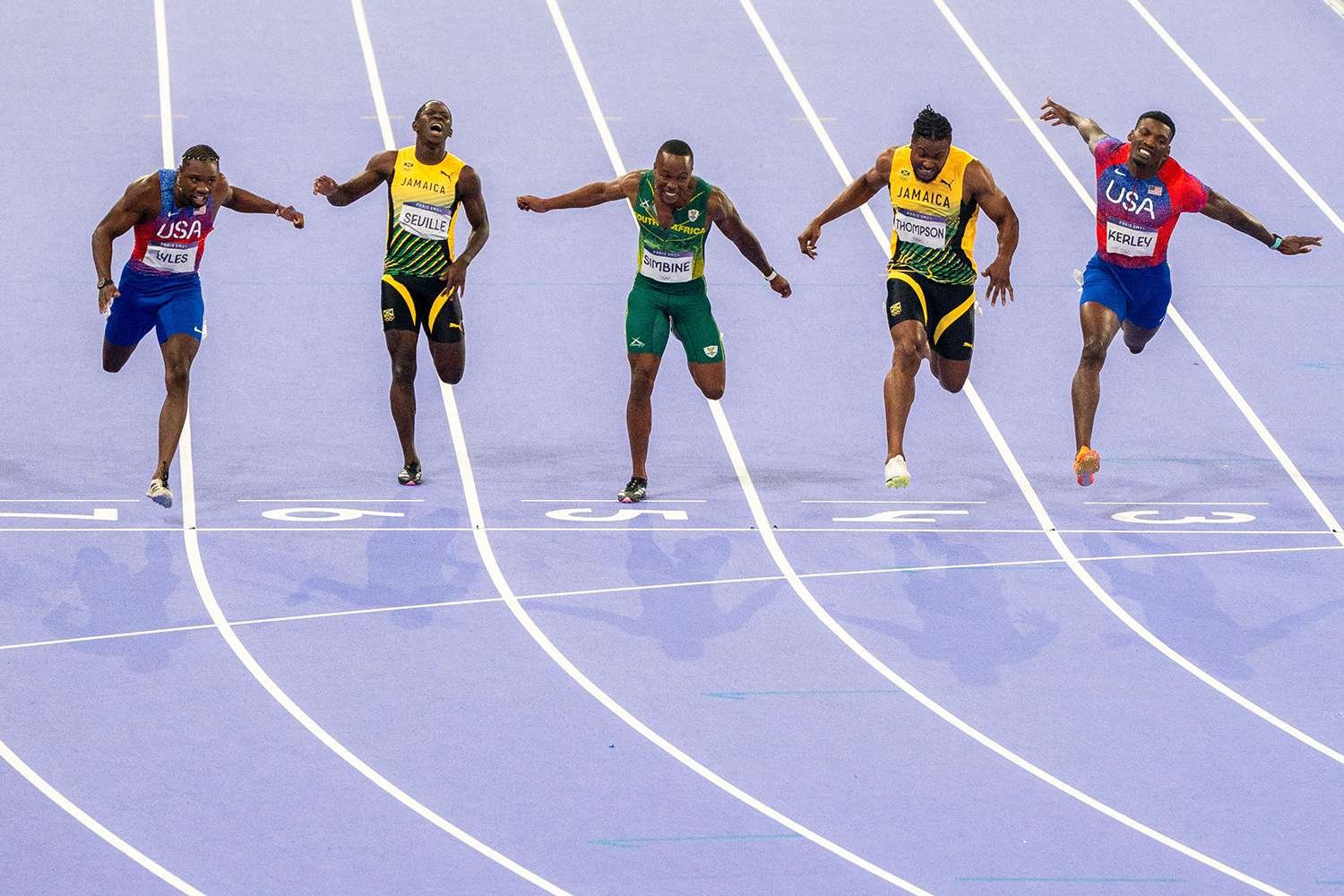
Athletics is one of the oldest and most popular sports in the world. It includes a wide range of track and field events such as running, jumping, throwing, and combined competitions. Athletics rules are essential to ensure fair play, safety, and standardization across competitions. From school-level sports to international events like the Olympics, athletics rules define how events are conducted, how athletes compete, and how winners are decided. This detailed Athletics Rules guide explains the fundamental rules of athletics in simple language, making it useful for students, beginners, coaches, and sports enthusiasts.
What Is Athletics
Athletics is a collection of competitive sports based on physical activities such as running, walking, jumping, and throwing. These events test speed, strength, endurance, agility, and coordination. Athletics rules provide a structured framework that ensures all athletes compete under the same conditions. Understanding athletics basics helps participants follow the rules correctly and avoid disqualification.
Importance of Athletics Rules
Athletics rules are important because they ensure fairness, safety, and consistency. Without rules, competitions would be chaotic and unsafe. Rules help officials judge performances accurately and protect athletes from injury. Athletics rules also ensure that records and results are recognized internationally. Following the rules is a core part of sportsmanship and discipline.
Governing Bodies of Athletics
Athletics rules are governed by international and national organizations. The World Athletics organization sets global standards for track and field events. National federations follow these guidelines while adapting them for local competitions. Understanding governing bodies helps athletes and coaches stay updated with rule changes.
Athletics Track Rules
The athletics track is usually a 400-meter oval with marked lanes. Each lane has a specific width, and athletes must stay within their lanes during certain races. Stepping out of the lane can lead to disqualification. Track rules ensure equal distance for all competitors and prevent interference.
Sprinting Rules in Athletics
Sprinting events include races such as 100 meters, 200 meters, and 400 meters. Athletes must start from starting blocks in short sprints. A false start occurs when an athlete starts before the signal. According to athletics rules, a false start can result in immediate disqualification. Staying in the assigned lane throughout the race is mandatory.
Middle-Distance Running Rules
Middle-distance events include 800 meters and 1500 meters races. Athletes may start in lanes but are allowed to move toward the inside after a certain distance. Physical obstruction and pushing are not allowed. Athletics rules emphasize fair competition and athlete safety.
Long-Distance Running Rules
Long-distance events such as 5000 meters and 10000 meters test endurance. Athletes run multiple laps around the track. Overtaking must be done without obstruction. Leaving the track or receiving assistance is not permitted. These athletics rules ensure equal conditions for all runners.
Marathon and Road Race Rules
Marathons and road races are conducted outside the track. Courses must be measured accurately. Athletes must follow the designated route. Cutting corners or receiving external help can lead to disqualification. Athletics rules for road races focus on fairness and accurate distance measurement.
Relay Race Rules
Relay races involve teams passing a baton within a designated exchange zone. The baton must be passed hand to hand. Dropping the baton is allowed, but it must be picked up by the athlete who dropped it. Athletics rules require exchanges to occur within marked zones.
Race Walking Rules
Race walking has strict rules regarding technique. Athletes must always have one foot in contact with the ground. The front leg must remain straight until it passes under the body. Judges monitor technique closely. Violations can result in warnings and disqualification.
Jumping Events in Athletics
Jumping events include long jump, triple jump, high jump, and pole vault. Each event has specific athletics rules that define takeoff, landing, and valid attempts. Measuring techniques ensure accuracy and fairness.
Long Jump Rules
In long jump, athletes take off from a board and land in a sand pit. The takeoff foot must be behind the board. A foul jump occurs if the foot crosses the line. The longest valid jump is recorded. Athletics rules ensure precise measurement.
Triple Jump Rules
Triple jump consists of a hop, step, and jump sequence. Athletes must perform the sequence correctly. Landing outside the pit or incorrect sequence results in a foul. These athletics rules maintain event integrity.
High Jump Rules
High jump requires athletes to jump over a horizontal bar without knocking it down. Athletes may use any jumping technique. The bar height increases progressively. Knocking down the bar three times at a height eliminates the athlete.
Pole Vault Rules
Pole vault uses a flexible pole to clear a high bar. Athletes choose their pole length and stiffness. Safety mats are mandatory. Athletics rules ensure safe equipment and fair competition.
Throwing Events in Athletics
Throwing events include shot put, discus throw, javelin throw, and hammer throw. Each event tests strength and technique. Athletics rules specify equipment weight, throwing area, and valid throws.
Shot Put Rules
In shot put, athletes push the shot from the shoulder using one hand. Throwing the shot like a baseball is not allowed. The athlete must stay inside the circle until the shot lands. Measurements are taken from the nearest mark.
Discus Throw Rules
Discus throw involves spinning and releasing a disc from a throwing circle. The discus must land within a marked sector. Stepping outside the circle before the discus lands results in a foul.
Javelin Throw Rules
Javelin throw requires athletes to throw the javelin overhand. The javelin must land tip-first within the sector. Crossing the foul line invalidates the throw. Athletics rules prioritize safety in javelin events.
Hammer Throw Rules
Hammer throw uses a weighted ball attached to a wire. Athletes rotate and release the hammer into a sector. Safety cages are required. The athlete must remain inside the circle until the hammer lands.
Combined Events Rules
Combined events include decathlon and heptathlon. Athletes compete in multiple events over one or two days. Points are awarded based on performance. Athletics rules ensure standardized scoring systems.
Decathlon Rules
Decathlon consists of ten events including sprints, jumps, throws, and distance running. Athletes earn points in each event. The total score determines the winner. Rules ensure fair scheduling and rest periods.
Heptathlon Rules
Heptathlon includes seven events for female athletes. It combines speed, strength, and endurance. Scoring follows standardized tables. Athletics rules ensure consistent evaluation.
Athletics Equipment Rules
Equipment such as shoes, clothing, and implements must meet standards. Shoes may include spikes of limited length. Clothing should not provide unfair advantage. Athletics rules maintain equal competition conditions.
False Starts and Disqualification Rules
False starts are strictly monitored. Unsportsmanlike behavior, obstruction, or rule violations can lead to disqualification. Athletics rules emphasize discipline and respect.
Officials and Judges in Athletics
Officials ensure rules are followed. Judges measure performances and monitor techniques. Their decisions are based on athletics rules and evidence. Respect for officials is mandatory.
Safety Rules in Athletics
Safety is a priority in athletics. Proper warm-up, safe equipment, and medical support are essential. Athletics rules aim to prevent injuries and accidents.
Athletics Rules for Students and Beginners
For beginners, understanding basic athletics rules builds confidence. School competitions follow simplified versions. Learning rules encourages fair play and teamwork.
Common Athletics Rule Violations
Common violations include lane infringement, false starts, foul throws, and incorrect technique. Awareness helps athletes avoid penalties. Athletics rules promote discipline.
Role of Fair Play in Athletics
Fair play is central to athletics. Respecting opponents, officials, and rules reflects sportsmanship. Athletics rules support ethical competition.
Future of Athletics Rules
Athletics rules evolve with technology. Video analysis, electronic timing, and digital measurement improve accuracy. Future updates aim to enhance fairness and safety.
Conclusion
Athletics rules form the foundation of track and field sports. They ensure fairness, safety, and consistency across competitions. This Athletics Rules guide covers running, jumping, throwing, and combined events in detail. By understanding and following athletics rules, athletes and fans can enjoy the sport with clarity, respect, and confidence. Mastery of the rules not only improves performance but also upholds the true spirit of athletics.