
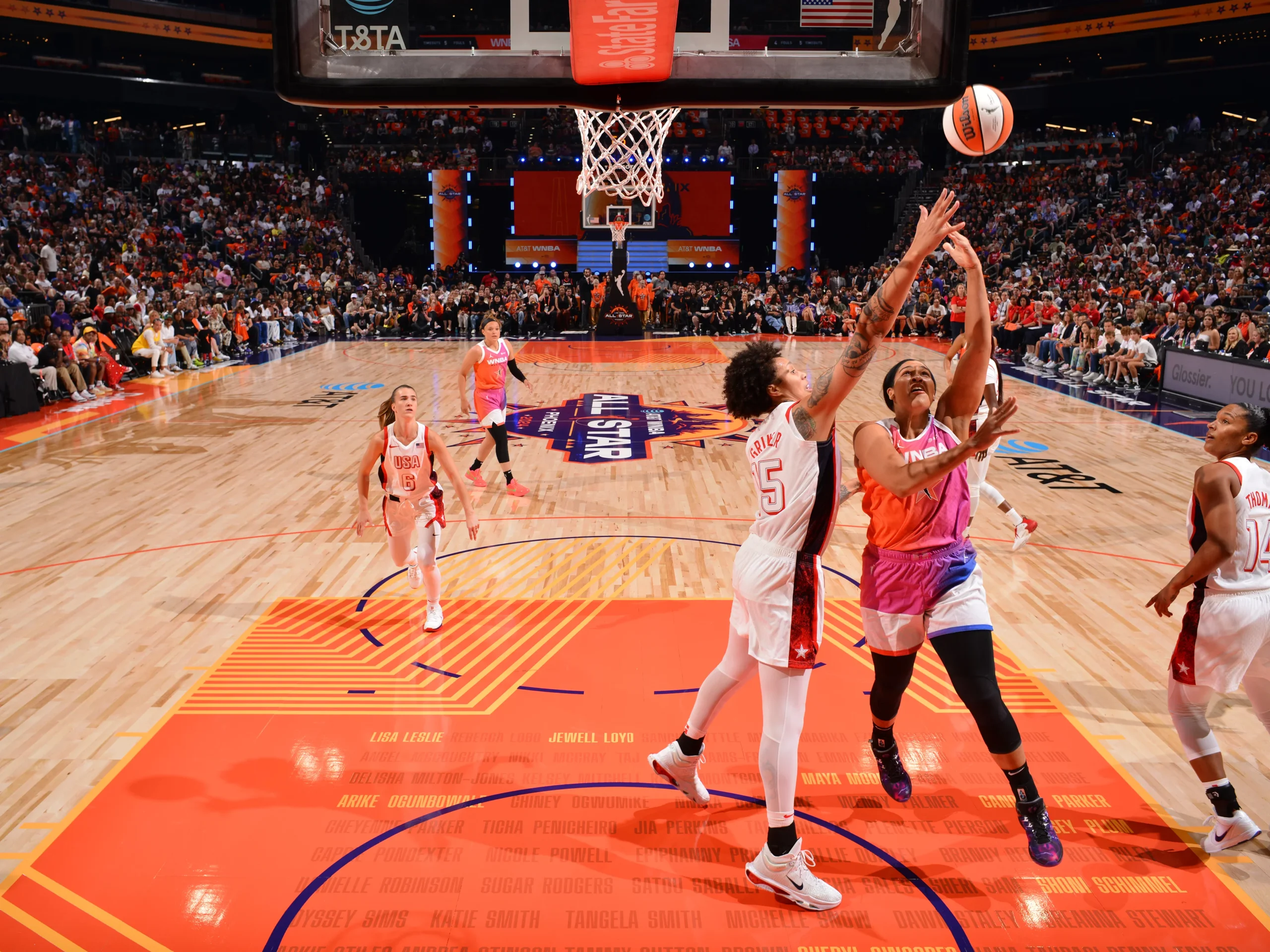
Basketball is one of the most popular and fast-paced sports in the world. Played at professional, college, school, and street levels, the game combines speed, skill, teamwork, and strategy. However, for beginners and even regular viewers, basketball rules can sometimes feel confusing, especially when referees stop the game for fouls and violations. Understanding these rules is essential to fully enjoy the game, whether you are playing, coaching, or watching.
This detailed guide on common basketball fouls and violations explained is written in simple and clear language. It covers all major fouls and violations, how they occur, why they are called, and how they affect the game. By the end of this article, you will have a strong understanding of basketball rules and be able to follow games with confidence and clarity.
Understanding Fouls and Violations in Basketball
In basketball, fouls and violations are rule infractions, but they are not the same. A foul usually involves illegal physical contact or unsportsmanlike behavior. A violation is a rule break that does not involve contact, such as traveling or double dribble.
Both fouls and violations result in stoppage of play, but the penalties differ. Fouls may lead to free throws or possession changes, while violations typically result in the opposing team gaining possession of the ball.
Why Fouls and Violations Exist in Basketball
Basketball rules are designed to ensure fairness, safety, and smooth flow of the game. Fouls protect players from excessive physical contact and injuries. Violations maintain structure and prevent players from gaining unfair advantages.
Without these rules, the game would become chaotic and unsafe. Understanding fouls and violations helps players play smarter and fans appreciate referees’ decisions.
Personal Fouls Explained
A personal foul is the most common type of foul in basketball. It involves illegal physical contact between players.
Personal fouls can occur when a defender hits, pushes, holds, or blocks an opponent unfairly. Examples include hitting a player’s arm while shooting, pushing during a rebound, or holding an opponent to stop movement.
Personal fouls count toward a player’s total foul limit. In most basketball leagues, a player is disqualified after committing a certain number of personal fouls.
Shooting Fouls
A shooting foul occurs when a defender illegally contacts an offensive player while they are attempting a shot.
If the shot is successful, the basket counts and the shooter is awarded one free throw. If the shot is missed, the shooter receives two or three free throws depending on the shot attempt.
Shooting fouls are crucial moments in games because they can change the score without time running off the clock.
Non-Shooting Fouls
Non-shooting fouls happen when illegal contact occurs while a player is not in the act of shooting.
The penalty usually results in the opposing team being awarded possession of the ball. However, if the team committing the foul has exceeded the team foul limit, free throws may be awarded instead.
Offensive Fouls
An offensive foul occurs when the player with the ball commits illegal contact against a defender.
Common offensive fouls include charging, pushing off with the arm, or using the body aggressively to create space. Charging happens when an offensive player runs into a defender who has established a legal guarding position.
Offensive fouls result in a turnover, giving possession to the opposing team.
Defensive Fouls
Defensive fouls are committed by players guarding the offensive team.
Examples include blocking fouls, reaching in illegally, or body contact that impedes movement. Blocking occurs when a defender is not in a proper position and makes contact with the offensive player.
Understanding the difference between charging and blocking is one of the most debated aspects of basketball rules.
Team Fouls and Bonus Situation
Team fouls are the total number of fouls committed by a team in a specific period.
Once a team exceeds the allowed number of team fouls, the opposing team enters the bonus situation. This means free throws are awarded for non-shooting fouls.
The bonus rule encourages disciplined defense and prevents excessive fouling.
Technical Fouls Explained
A technical foul is called for unsportsmanlike behavior or violations that do not involve physical contact.
Examples include arguing with referees, using inappropriate language, excessive celebration, or delay of game. Coaches and players can both receive technical fouls.
A technical foul usually results in one or two free throws for the opposing team and possession of the ball.
Flagrant Fouls
Flagrant fouls involve excessive or violent contact that goes beyond normal basketball play.
These fouls are divided into different levels based on severity. A flagrant foul may result in free throws, possession, and even player ejection.
Flagrant fouls are taken seriously to protect player safety.
Unsportsmanlike Conduct
Unsportsmanlike conduct includes actions that show disrespect toward the game, officials, or opponents.
This can include fighting, taunting, or intentionally trying to injure another player. Severe cases can lead to disqualification and suspension.
Common Basketball Violations Explained
Violations are non-contact rule infractions that result in loss of possession.
Understanding violations helps players avoid turnovers and helps fans follow the flow of the game more easily.
Traveling Violation
Traveling is one of the most common basketball violations.
It occurs when a player takes too many steps without dribbling the ball. After picking up the dribble, a player must establish a pivot foot and cannot move it illegally.
Traveling results in a turnover and is often called in beginner-level games.
Double Dribble Violation
Double dribble happens when a player dribbles the ball, stops, and then starts dribbling again.
It also occurs if a player uses both hands simultaneously while dribbling. Double dribble results in immediate loss of possession.
Carrying or Palming the Ball
Carrying occurs when a player places their hand under the ball while dribbling, giving the appearance of holding it.
This violation is called to prevent players from gaining an unfair advantage while dribbling.
Shot Clock Violation
A shot clock violation occurs when the offensive team fails to attempt a shot within the allowed time.
The shot must hit the rim before the shot clock expires. Shot clock rules keep the game fast-paced and exciting.
Backcourt Violation
A backcourt violation happens when the offensive team crosses the half-court line and then returns the ball to the backcourt.
This rule prevents teams from wasting time and encourages continuous offensive play.
Three-Second Violation
A three-second violation occurs when an offensive player stays in the key or paint area for more than three seconds without actively moving out.
This rule prevents players from camping near the basket and promotes movement and spacing.
Five-Second Violation
A five-second violation can occur in several situations, such as failing to inbound the ball within five seconds or closely guarded players not passing, shooting, or dribbling.
This violation encourages quick decision-making.
Eight-Second or Ten-Second Violation
Teams must advance the ball from the backcourt to the frontcourt within a specific time limit.
Failing to do so results in a turnover and is designed to maintain game tempo.
Goaltending and Basket Interference
Goaltending occurs when a defensive player touches the ball while it is on its downward path toward the basket.
Basket interference happens when a player touches the rim or net while the ball is on the rim.
These violations usually result in awarding points to the offensive team.
Lane Violations During Free Throws
Lane violations occur when players enter the key too early during a free throw attempt.
This violation can cancel a successful free throw or lead to a re-attempt depending on which team commits the violation.
Substitution Violations
Substitution violations happen when players enter or leave the game without proper referee permission.
These violations can result in technical fouls.
Differences Between Fouls and Violations
The main difference is that fouls involve illegal contact, while violations involve rule infractions without contact.
Both affect possession and scoring, but fouls often carry more severe penalties.
How Referees Judge Fouls and Violations
Referees use positioning, experience, and judgment to call fouls and violations.
They watch player movement, contact, and intent to ensure rules are applied fairly.
Common Misunderstandings About Basketball Rules
Many fans believe all contact is a foul, but basketball allows legal contact.
Understanding legal guarding position and verticality helps clarify many controversial calls.
How Fouls and Violations Affect Game Strategy
Teams adjust their strategies based on foul situations and violation risks.
Players with foul trouble may play more cautiously, while teams in the bonus may attack the basket more aggressively.
Learning Basketball Rules as a Beginner
Beginners should focus on learning the most common fouls and violations first.
Watching games with rule explanations and practicing regularly helps build understanding.
Importance of Fair Play in Basketball
Basketball emphasizes respect, sportsmanship, and discipline.
Fouls and violations exist to protect players and preserve the integrity of the game.
Basketball Rules Across Different Leagues
While basic rules are similar, professional, college, and international leagues may have small differences.
Understanding these variations improves overall basketball knowledge.
Conclusion
Basketball is an exciting sport that becomes even more enjoyable when you understand the rules. Fouls and violations are an essential part of the game, ensuring fairness, safety, and smooth gameplay. From personal fouls and technical fouls to traveling and shot clock violations, each rule plays a role in maintaining balance on the court.
By learning common basketball fouls and violations, beginners and fans can better appreciate referee decisions, player strategies, and the overall flow of the game. Whether you are watching a professional match or playing at a local level, understanding these rules transforms basketball into a smarter, more engaging, and more enjoyable experience.