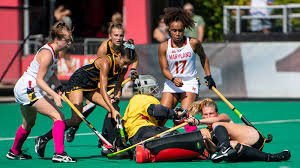
Hockey is one of the fastest, most intense, and physically demanding sports in the world. Whether it is field hockey or ice hockey, the game requires speed, skill, teamwork, and a strong understanding of rules. For players, coaches, and fans, knowing common hockey fouls, penalties, and umpire signals is extremely important. Many matches are decided not only by goals but also by how well teams manage discipline, avoid unnecessary fouls, and respond correctly to umpire decisions. This detailed guide explains hockey fouls, different types of penalties, and umpire signals in simple language, making it easy for beginners and useful for experienced players as well.
Understanding Hockey Rules and Fair Play
Hockey rules are designed to ensure fair play, player safety, and smooth flow of the game. Fouls occur when a player breaks these rules intentionally or unintentionally. When a foul happens, the umpire or referee stops play, signals the offense, and awards a penalty. These penalties can range from a simple free hit to penalty corners, penalty strokes, time penalties, or even player suspension depending on the severity of the foul. Understanding hockey rules helps players avoid mistakes, improve performance, and maintain sportsmanship on the field.
What Is a Hockey Foul
A hockey foul is any action that goes against the official rules of the game. Fouls usually involve illegal use of the stick, body contact, obstruction, dangerous play, or unsportsmanlike behavior. Some fouls are minor and result in simple restarts, while others are serious and can change the outcome of a match. Hockey fouls are judged by umpires based on intent, danger, and impact on play.
Common Hockey Fouls Explained
One of the most common hockey fouls is obstruction. Obstruction happens when a player blocks an opponent who is trying to reach the ball without playing the ball themselves. This includes using the body, stick, or positioning to prevent fair access. Obstruction is often seen when defenders shield the ball without attempting to play it, leading to a free hit or more severe penalty if it occurs inside the shooting circle.
Another frequent foul is stick interference. This occurs when a player uses their stick to hook, hold, lift, or hit an opponent’s stick rather than playing the ball cleanly. Stick interference disrupts fair competition and can be dangerous, especially if it results in high sticks near the face or body. Umpires usually award a free hit or penalty corner depending on the location.
Dangerous play is a serious hockey foul. It includes actions that could injure another player, such as raising the ball dangerously, swinging the stick recklessly, or tackling from behind. Even if no injury occurs, dangerous play is penalized because it puts players at risk. Umpires are strict with this foul to maintain safety.
Backstick is another common foul, especially among beginners. In hockey, players must play the ball with the flat side of the stick. Using the rounded side, known as the backstick, is illegal. Umpires signal this foul clearly, and it often results in a free hit for the opposing team.
Foot foul happens when a player deliberately uses their foot or leg to stop, kick, or control the ball. Accidental contact is usually allowed, but intentional use of the foot to gain advantage is penalized. This is one of the easiest fouls for umpires to spot and signal.
Body contact rules vary slightly between field hockey and ice hockey, but in field hockey, excessive body contact is illegal. Players cannot push, shoulder, or block opponents aggressively. Any unfair physical challenge is penalized, especially if it affects balance or safety.
Third-party obstruction occurs when a player positions themselves between an opponent and the ball, even though neither is playing the ball. This indirect obstruction slows the game and is penalized to maintain fairness.
Fouls Inside the Shooting Circle
Fouls committed inside the shooting circle are more serious because they directly affect scoring opportunities. When defenders commit fouls inside the circle, umpires may award a penalty corner or penalty stroke depending on the nature of the offense.
A penalty corner is awarded for defensive fouls inside the circle that prevent a likely goal-scoring chance but are not severe enough for a penalty stroke. This is one of the most exciting situations in hockey, as it often leads to goals.
A penalty stroke is awarded for serious fouls that prevent a certain goal, such as intentionally stopping the ball on the goal line with a foot or body. Penalty strokes are one-on-one situations between the striker and goalkeeper, making them high-pressure moments.
Types of Hockey Penalties
Hockey penalties are the consequences of fouls and rule violations. They vary based on the seriousness of the offense. The most common penalties include free hits, penalty corners, penalty strokes, and personal penalties.
Free hit is the most basic penalty in hockey. It is awarded for minor fouls and allows the opposing team to restart play from the spot of the foul. All opposing players must be at a certain distance before the free hit is taken.
Penalty corner is a more advanced penalty awarded for defensive fouls inside the circle. It involves a structured setup with attackers and defenders, making it a crucial scoring opportunity.
Penalty stroke is the most severe scoring penalty. It is awarded for deliberate fouls that stop a goal-scoring chance. The striker takes a shot from a fixed spot, and the goalkeeper must remain on the goal line until the shot is taken.
Personal penalties involve disciplinary action against individual players. These can include green cards, yellow cards, and red cards, depending on the level of misconduct.
Hockey Card System Explained
The card system in hockey helps umpires control player behavior and maintain discipline. A green card is a warning given for minor offenses or repeated fouls. It serves as a caution and does not usually involve time suspension in field hockey, though in some formats it may include a brief suspension.
A yellow card is given for more serious fouls or repeated misconduct. It results in a temporary suspension, forcing the team to play with fewer players for a set time. This can significantly impact match strategy and momentum.
A red card is the most serious penalty and results in permanent suspension from the match. A player who receives a red card cannot return, and the team must continue with one fewer player. Red cards are issued for violent conduct, abuse of officials, or extremely dangerous play.
Role of the Umpire in Hockey
Umpires play a critical role in enforcing hockey rules. They are responsible for observing play, identifying fouls, awarding penalties, and using clear signals to communicate decisions. Good umpiring ensures fairness, safety, and flow of the game.
Umpires must be consistent, confident, and unbiased. They rely on positioning, experience, and knowledge of the rules to make quick decisions in a fast-paced environment. Players are expected to respect umpire decisions, even if they disagree.
Common Hockey Umpire Signals
Hockey umpire signals are visual gestures used to indicate fouls, penalties, and restarts. These signals help players, coaches, and spectators understand decisions instantly.
For a free hit, the umpire points in the direction of the attacking team. This simple signal shows which team has possession.
The penalty corner signal involves the umpire pointing to the corner of the field with one arm raised. This indicates a defensive foul inside the circle.
The penalty stroke signal is shown by pointing to the penalty spot. This clear gesture signals a serious foul that prevented a goal.
For a backstick foul, the umpire often holds one arm bent to show the illegal use of the stick.
A foot foul signal is shown by touching the foot with the hand, making it clear that the ball was played illegally with the foot.
The obstruction signal usually involves the umpire crossing arms or making a blocking motion to show interference.
For dangerous play, the umpire may raise one arm high to stop play immediately and then indicate the nature of the foul.
When issuing cards, umpires physically show the green, yellow, or red card to the player, making the decision clear to everyone on the field.
How to Avoid Common Hockey Fouls
Avoiding fouls is essential for team success and personal performance. One of the best ways to reduce fouls is by improving stick control and body positioning. Players should focus on playing the ball rather than the opponent.
Good footwork and awareness help players avoid obstruction and foot fouls. Staying low, balanced, and alert allows quick reactions without illegal movements.
Understanding the rules is equally important. Players who know what constitutes a foul are less likely to commit one accidentally. Regular rule education and match experience help build this awareness.
Maintaining discipline and emotional control is crucial. Many penalties occur due to frustration, aggression, or arguing with umpires. Staying calm and focused helps avoid unnecessary cards and suspensions.
Importance of Discipline in Hockey
Discipline is a key factor in hockey success. Teams that commit fewer fouls often control possession better and create more scoring chances. Excessive penalties disrupt rhythm, tire players, and give opponents advantages through penalty corners and strokes.
Coaches emphasize discipline in training by teaching correct tackling techniques, positioning, and decision-making. Respect for opponents and officials is a core value in hockey culture.
Impact of Fouls and Penalties on Match Outcome
Fouls and penalties can completely change the momentum of a hockey match. A single penalty corner or penalty stroke can turn the scoreline, especially in closely contested games. Repeated fouls lead to player suspensions, weakening team defense and attack.
Smart teams manage risk by defending cleanly, avoiding unnecessary challenges, and adapting tactics when under pressure. Understanding how umpires interpret rules helps players adjust their approach during the match.
Hockey Rules for Beginners and Fans
For beginners and fans, learning about common hockey fouls, penalties, and umpire signals enhances enjoyment of the game. Watching a match becomes more engaging when you understand why play stops, why penalties are awarded, and what each signal means.
Hockey is a sport of skill, speed, and strategy, but it is also a game of rules and respect. Knowing the basics helps everyone appreciate the sport at a deeper level.
Final Thoughts on Hockey Fouls and Penalties
Common hockey fouls, penalties, and umpire signals are an essential part of the game. They ensure fairness, safety, and structure in a fast-moving sport. From obstruction and dangerous play to penalty corners and card systems, every rule has a purpose. Players who understand and respect these rules perform better and contribute positively to the game.
Whether you are a player aiming to improve discipline, a coach teaching fundamentals, or a fan wanting to understand the action better, knowledge of hockey fouls and penalties is invaluable. With practice, awareness, and respect for the rules, hockey remains an exciting, competitive, and fair sport enjoyed by millions around the world.