
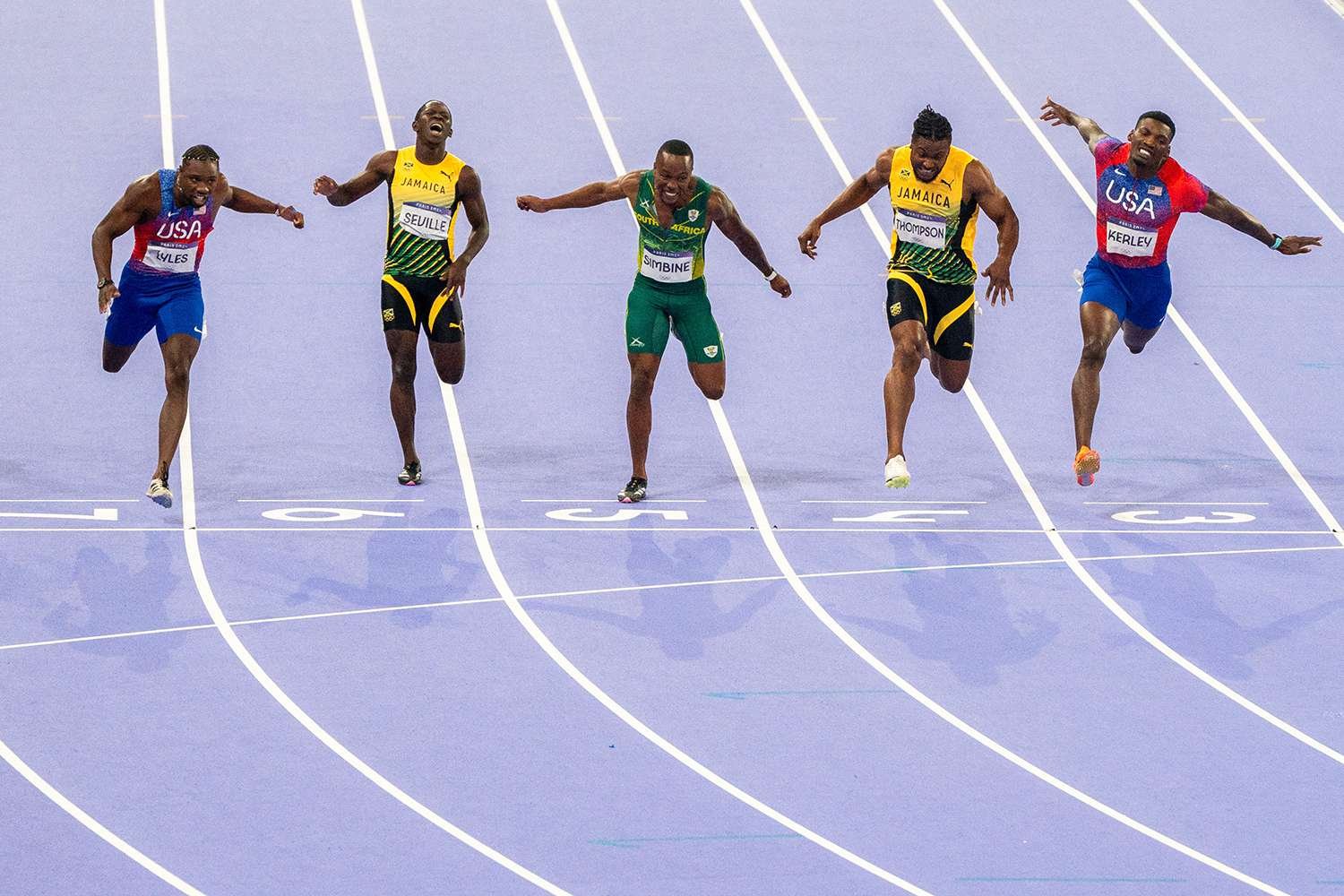
International athletics is one of the most organized and rule-driven sports systems in the world. From sprint races and marathons to field events like long jump, high jump, javelin throw, and shot put, every competition follows a detailed set of international athletics rules and regulations. These rules ensure fairness, athlete safety, standardization, and global consistency so that performances can be compared across countries, continents, and championships. Understanding international athletics rules is important not only for professional athletes and coaches but also for students, sports journalists, event organizers, and fans who want deeper knowledge of how the sport operates at the global level.
Athletics, also known as track and field, is governed internationally by World Athletics, formerly known as the International Association of Athletics Federations (IAAF). World Athletics is responsible for creating, updating, and enforcing the official rules and regulations for international competitions. These rules apply to Olympic Games, World Championships, Continental Championships, Diamond League events, and many other international athletics competitions.
This detailed guide explains international athletics rules and regulations in simple and clear language. It covers governing bodies, competition structure, track events rules, field events rules, combined events, athlete eligibility, equipment standards, anti-doping regulations, officiating systems, and recent updates in international athletics laws. This comprehensive blog is designed to help readers fully understand how global athletics works while also using important athletics keywords for easy indexing and search visibility.
Governing Body of International Athletics
The global governing body for athletics is World Athletics. Established in 1912, World Athletics sets the official rules of athletics, recognizes world records, manages international competitions, and promotes the sport worldwide. Every national athletics federation, such as USA Track and Field, Athletics Federation of India, UK Athletics, and others, is affiliated with World Athletics and must follow its regulations.
World Athletics rules apply to all international athletics competitions. These regulations cover athlete eligibility, competition conduct, technical specifications, officiating standards, disciplinary procedures, and ethical guidelines. When national federations organize events, they usually adopt World Athletics rules to maintain consistency with international standards.
Structure of International Athletics Competitions
International athletics competitions are organized into track events, field events, road events, combined events, and race walking. Each category has specific rules, distance requirements, equipment standards, and judging methods. The competition structure is designed to ensure equal opportunity for all athletes and accurate measurement of performance.
Track events include sprints, middle-distance races, long-distance races, hurdles, steeplechase, and relay races. Field events include jumping events and throwing events. Road events include marathons and race walks conducted on public roads. Combined events include decathlon, heptathlon, and pentathlon, where athletes compete in multiple disciplines over one or more days.
International Track Events Rules
Track events are conducted on a standard 400-meter oval track with clearly marked lanes and curves. According to international athletics rules, the track must meet specific measurement, surface, and marking standards to be certified for international competitions. Synthetic tracks are commonly used to provide uniform performance conditions.
Sprint races such as 100 meters, 200 meters, and 400 meters require athletes to remain within their assigned lanes throughout the race. Any lane infringement, such as stepping on or over lane lines, can result in disqualification. Starting blocks are mandatory for sprint events up to 400 meters, and athletes must respond to the starter’s commands without false starts.
Middle-distance and long-distance races such as 800 meters, 1500 meters, 5000 meters, and 10,000 meters have different lane rules. In the 800 meters, athletes usually run in lanes for the first curve before breaking into a shared track. Longer races allow athletes to run freely after the start. Interference or obstruction of other runners is strictly prohibited.
Hurdles events follow precise height, spacing, and number of hurdles as defined by World Athletics. Athletes must clear hurdles without deliberately knocking them down. While accidental contact is allowed, intentional interference can lead to disqualification. The steeplechase includes barriers and water jumps, and athletes must complete the correct number of laps and obstacles.
Relay races such as 4×100 meters and 4×400 meters require smooth baton exchanges within designated exchange zones. The baton must be passed by hand and cannot be thrown. If the baton is dropped, the athlete who dropped it must retrieve it without obstructing others. Improper exchanges result in disqualification.
Starting Rules and False Starts
Starting rules are a critical part of international athletics regulations. Athletes must follow the starter’s commands of “On your marks,” “Set,” and the gun signal. Any athlete who reacts before the gun is considered to have committed a false start. Under current international rules, one false start by an athlete leads to immediate disqualification, unlike earlier rules that allowed a warning.
Reaction time is measured using electronic starting systems, and any reaction faster than 0.1 seconds is considered a false start because it indicates anticipation rather than response. These strict false start rules are designed to ensure fairness and consistency in sprint events.
International Field Events Rules
Field events are divided into jumping events and throwing events, each governed by detailed technical rules. These regulations specify equipment dimensions, competition areas, measurement methods, and foul definitions.
Jumping events include long jump, triple jump, high jump, and pole vault. In long jump and triple jump, athletes must take off from a designated board without crossing the foul line. The jump distance is measured from the nearest mark made in the sand by any part of the body. Plasticine indicators are often used to detect foot faults.
High jump and pole vault involve clearing a horizontal bar placed at increasing heights. Athletes have a limited number of attempts at each height, and three consecutive failures result in elimination at that height. The bar must be cleared without dislodging it, and takeoff must be from one foot only.
Throwing events include shot put, discus throw, hammer throw, and javelin throw. Each event uses standardized equipment with specific weight, size, and material requirements. Athletes must throw from a defined circle or runway and must not cross the boundary during the attempt. The implement must land within the marked sector for the throw to be valid.
Measurement and Equipment Standards
Accurate measurement is essential in international athletics. World Athletics mandates the use of certified measuring devices, including steel tapes and electronic distance measurement systems. Track events are timed using fully automatic timing systems to ensure precision to at least one-hundredth of a second.
Equipment standards are strictly regulated. Shoes, clothing, and competition implements must meet World Athletics specifications. Recent rules regarding athletic footwear limit sole thickness and require shoes to be available to the public, preventing unfair technological advantages.
Combined Events Rules
Combined events test an athlete’s versatility across multiple disciplines. The decathlon for men and the heptathlon for women are the most recognized combined events. Indoor competitions also feature pentathlon events.
Each event in a combined competition earns points based on standardized scoring tables. The athlete with the highest total score after completing all events is declared the winner. Combined events follow the same rules as individual events, with additional regulations governing event order, rest periods, and competition scheduling.
Athlete Eligibility and Age Categories
International athletics rules define athlete eligibility based on age, nationality, and compliance with anti-doping regulations. Athletes must be registered with their national federation and meet qualification standards to compete internationally.
Age categories include under-18, under-20, senior, and masters competitions. Each category has specific rules regarding event distances, implement weights, and hurdle heights. These age-based regulations ensure athlete safety and fair competition.
Nationality rules require athletes to represent only one country at international competitions, with specific waiting periods for changes in national representation. These rules prevent unfair transfers and maintain the integrity of national teams.
Anti-Doping Rules and Regulations
Anti-doping regulations are among the most important aspects of international athletics rules. World Athletics follows the World Anti-Doping Agency (WADA) code, which outlines prohibited substances, testing procedures, and sanctions.
Athletes are subject to both in-competition and out-of-competition testing. The use of banned substances, methods, or refusal to submit to testing can result in suspensions, bans, loss of medals, and disqualification of results. Strict liability applies, meaning athletes are responsible for any prohibited substance found in their bodies, regardless of intent.
Education programs are also promoted to help athletes understand supplement risks, therapeutic use exemptions, and anti-doping responsibilities. These measures aim to protect clean athletes and uphold fair play in international athletics.
Officials, Judges, and Referees
International athletics competitions rely on trained officials, judges, and referees to enforce rules and ensure smooth conduct. Officials are responsible for starts, finishes, measurements, rule interpretation, and athlete conduct.
Referees have the authority to disqualify athletes for rule violations, review protests, and make final decisions. Video replay technology is increasingly used to assist officials in making accurate judgments, especially in sprint starts and relay exchanges.
Protests, Appeals, and Disciplinary Procedures
Athletes and teams have the right to submit protests if they believe a rule has been incorrectly applied. Protests must be submitted within a specific time frame and are reviewed by competition officials or a jury of appeal.
Disciplinary procedures cover misconduct, unsportsmanlike behavior, doping violations, and breaches of ethical guidelines. Penalties range from warnings and disqualifications to long-term bans, depending on the severity of the offense.
Safety and Medical Regulations
Athlete safety is a priority in international athletics. Medical personnel must be present at competitions, and emergency protocols must be in place. Rules also cover weather conditions, such as extreme heat or storms, which may lead to event delays or cancellations.
Athletes are expected to undergo medical checks and follow health guidelines. These safety regulations protect athletes from serious injury and health risks during high-level competition.
Recent Updates in International Athletics Rules
World Athletics regularly updates its rules to adapt to technological advancements and evolving sports science. Recent changes include stricter shoe regulations, improved anti-doping monitoring, and enhanced use of technology for officiating.
Gender eligibility regulations and athlete classification rules have also been updated to address fairness and inclusion in international competitions. These updates reflect ongoing efforts to balance performance, equality, and ethical considerations in athletics.
Importance of International Athletics Rules
International athletics rules and regulations provide a unified framework that allows athletes from different countries to compete on equal terms. They ensure fairness, accuracy, safety, and integrity across all levels of competition. Without standardized rules, global comparison of performances and records would not be possible.
For athletes, understanding these rules helps prevent disqualifications and improves competitive readiness. For coaches and officials, rule knowledge ensures proper training, event management, and athlete guidance. For fans and students, learning about athletics rules enhances appreciation of the sport and its complexity.
Conclusion
International athletics rules and regulations form the backbone of global track and field competition. Governed by World Athletics, these rules cover every aspect of the sport, including track events, field events, combined events, equipment standards, athlete eligibility, anti-doping policies, and officiating systems. By maintaining consistency and fairness, international athletics regulations allow the sport to thrive worldwide and inspire millions of athletes and fans.
Whether you are an aspiring athlete, a coach, a sports enthusiast, or a student, understanding international athletics rules explained in detail gives you a deeper insight into how the sport operates at the highest level. As athletics continues to evolve, these rules will remain essential in preserving the spirit of competition, excellence, and fair play across the global athletics community.